
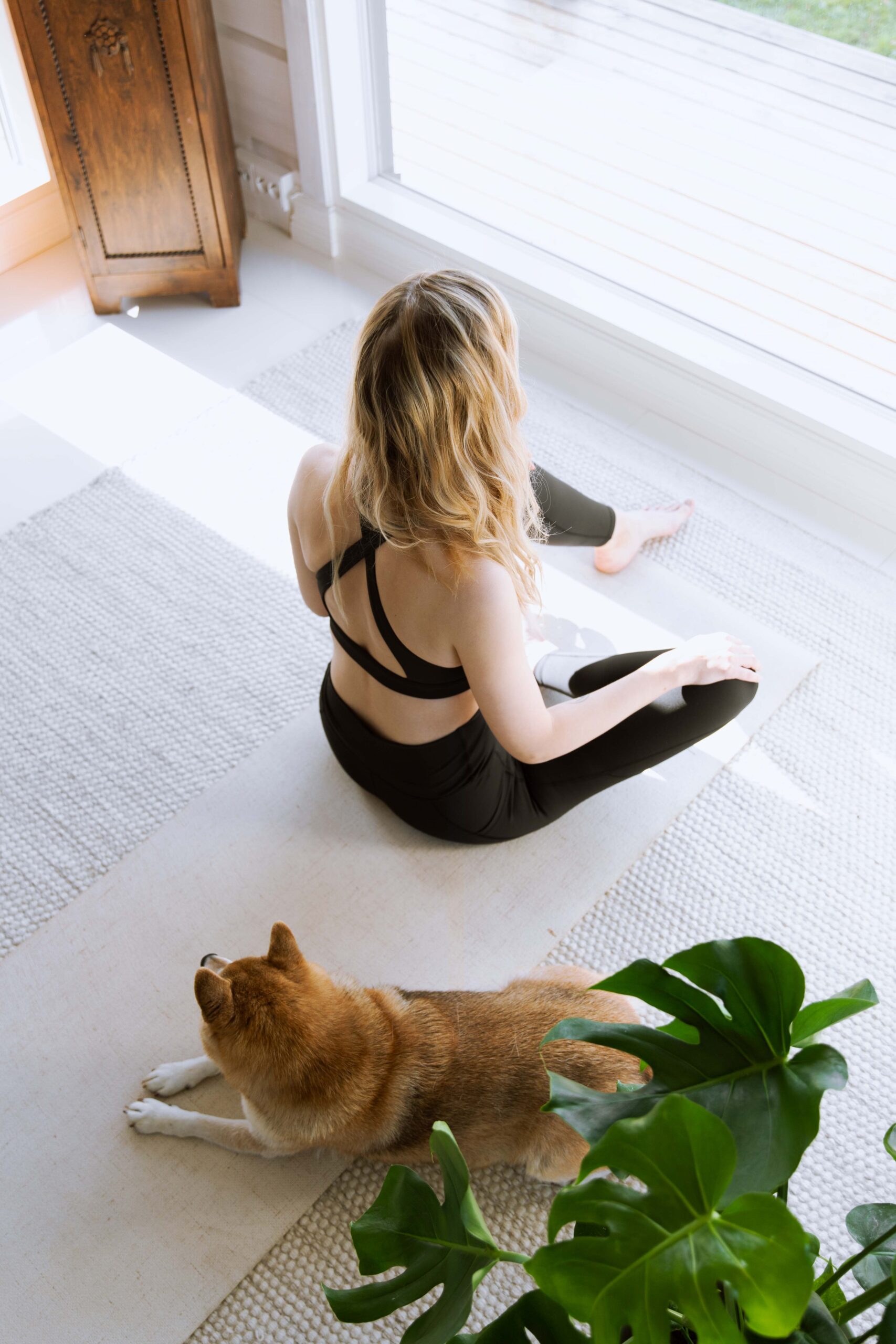
Why Breath Comes First
Slow, controlled breathing activates the parasympathetic nervous system — your body’s built-in brake pedal — which lowers heart rate and signals to your brain that it’s safe to relax. Research on slow-paced breathing techniques, including diaphragmatic breathing, has shown measurable reductions in stress and anxiety, which is part of why breathwork sits at the center of most therapeutic yoga practice rather than the poses themselves.
Alternate Nostril Breathing (Nadi Shodhana)
This technique — breathing in through one nostril while gently closing the other, then switching — has research behind it: a study published in the Journal of Clinical and Diagnostic Research found it reduced both perceived stress and physiological anxiety markers after just five minutes of practice. It’s a good option when you need calm quickly and don’t have time for a full practice.
Ujjayi Breathing
Ujjayi, sometimes called “ocean breath,” is a slightly constricted breath through the back of the throat that creates an audible, steady sound. Studies suggest that combining ujjayi with asana practice improves vagal activity — a marker of nervous system regulation — and is associated with lower anxiety scores.
Poses That Support the Nervous System
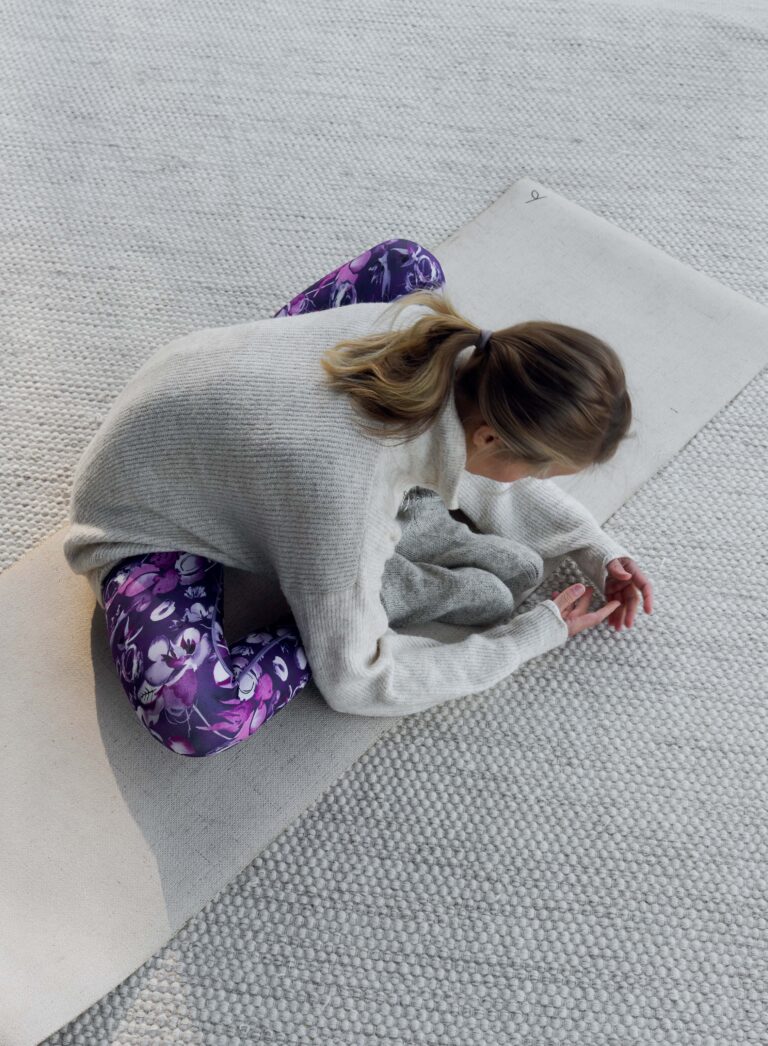
Poses that emphasize slow, sustained holds rather than dynamic movement tend to have the strongest evidence base for stress relief: child’s pose, legs-up-the-wall, seated forward fold, and gentle supine twists. What they share is a low barrier to entry — no strength or flexibility prerequisite — and a forward-folding or grounded shape that naturally slows the breath.
What the Research Doesn’t Claim
Yoga and breathwork show real, measurable benefits for everyday stress and mild-to-moderate anxiety symptoms, and there’s preliminary evidence for its use as a complementary approach alongside therapy for conditions like PTSD. It isn’t a replacement for professional mental health treatment when anxiety is significant or persistent — think of it as one useful tool among several, not a standalone cure.
Starting Simple
You don’t need an hour-long practice to feel the effect. Five minutes of alternate nostril breathing before a stressful meeting, or a few minutes in legs-up-the-wall at the end of the day, is enough to start noticing the difference.
Explore the Njálla Collection
Shop our sustainable yoga leggings and yoga tops - recycled fabric, handmade Nordic nature art, ethically made. Not sure where to start? Read our complete buying guide.
 English
  Finnish