
Foam rolling has a reputation for being either miracle recovery or a waste of time, and the honest answer sits in between. Research on self-myofascial release (the technical name for foam rolling) shows it can meaningfully improve range of motion and may ease some post-exercise soreness, though it’s not dramatically more effective than simply resting for pain relief on its own. Used with reasonable expectations, it’s a genuinely useful five-minute addition to a workout.
What It’s Actually Doing
Rolling applies sustained pressure to muscle and the connective tissue (fascia) around it. That pressure doesn’t “break up knots” in any literal sense — the more likely explanation is that it temporarily changes how sensitive your nervous system is to that area, and improves blood flow, which is why muscles often feel looser immediately afterward.
How to Roll a Muscle Group
- Position the roller under the target muscle, supporting some of your bodyweight with your hands or feet.
- Roll slowly — a few centimeters per second, not fast back-and-forth strokes.
- When you find a noticeably tender spot, pause there for 20–30 seconds instead of rolling straight through it.
- Spend 30–90 seconds total per muscle group.
Discomfort is normal; sharp or shooting pain is not — ease off pressure if you feel that, and avoid rolling directly over joints or bone.
Before or After a Workout?
Both work, for slightly different reasons. A quick roll before training can temporarily increase range of motion, which is useful as part of a warm-up. Rolling afterward is where most of the soreness-reducing benefit shows up, particularly when done in the hours or day after a hard session rather than immediately post-workout.
Best Places to Start
Quads, calves, and the outer hip (IT band area) tend to respond well to rolling and are easy to reach on your own. The lower back is best avoided with a firm roller — the lumbar spine doesn’t have the same muscle padding as your thighs, so it’s easy to roll directly on bone.
Set Realistic Expectations
Foam rolling is a helpful, low-effort tool — not a replacement for adequate sleep, hydration, or simply giving a hard-worked muscle a day of lighter activity. Think of it as one small piece of a recovery routine, not the whole thing.
Where Njálla Fits
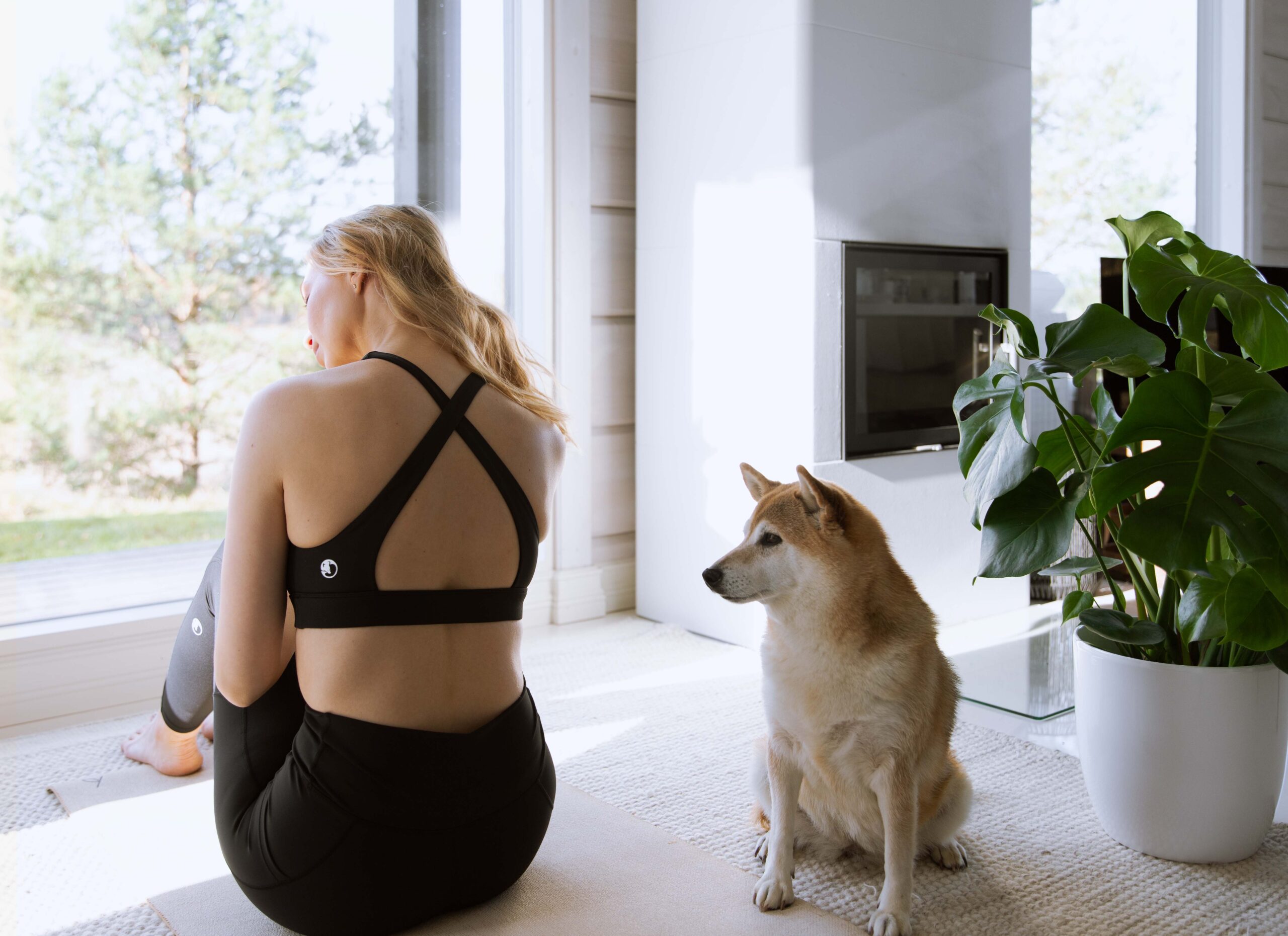
Recovery days call for clothing that’s as comfortable off the mat as on it. Our leggings and bra tops are made from soft, breathable recycled fabric that feels just as good rolling on the floor as it does moving through a workout.
Looking to build more mobility into your routine, too? Check out our simple mobility guide.

 English
  Finnish