

Finland has more saunas than cars, and hopping from a hot sauna into cold water (or snow) is just an ordinary Tuesday here, not a wellness trend. It turns out there’s genuine science behind using heat and cold for training recovery — alongside a few caveats worth knowing before you build it into your routine.
What Sauna Heat Does for Recovery
Heat exposure increases blood flow substantially, which helps deliver oxygen and nutrients to tired muscles and clear metabolic waste faster than passive rest alone. Research on post-exercise heat exposure has linked regular sauna sessions to reduced muscle soreness, better preserved muscle function after hard training blocks, and in some studies, improved endurance performance in hot conditions. Most of the studies showing these benefits used sessions of around 20–30 minutes.
What Cold Exposure Does — and Where the Evidence Is Thinner
Cold water immersion has solid evidence for reducing perceived fatigue and delayed-onset muscle soreness (DOMS) after strenuous workouts, with some effects lasting up to 96 hours. That makes it genuinely useful after a hard race, a long hike, or a tough training block.
One important caveat: if your goal is building strength or muscle, doing cold water immersion right after resistance training may blunt some of the long-term adaptations you’re training for. The likely explanation is that cold exposure dampens the inflammatory signaling your body uses to repair and build muscle. If hypertrophy or strength is your main goal, it may be worth saving cold exposure for easier training days or endurance sessions instead of your heaviest lifting days.
Trying Contrast Therapy: A Simple, Safe Starting Point
- Sit in the sauna for 10–15 minutes, leaving before you feel lightheaded or unwell.
- Cool down with a cold shower, cold plunge, or a dip in cold water for 30–60 seconds.
- Repeat for 2–3 rounds, always finishing with a few minutes to let your body temperature settle.
- Rehydrate well — both heat and cold exposure are more dehydrating than they feel.
Who Should Be Cautious
Sauna and cold exposure aren’t right for everyone. If you’re pregnant, have a heart condition, low blood pressure, or are new to either heat or cold exposure, talk to a doctor before trying contrast therapy, and always ease in gradually rather than starting with long sessions.
Where Njálla Fits
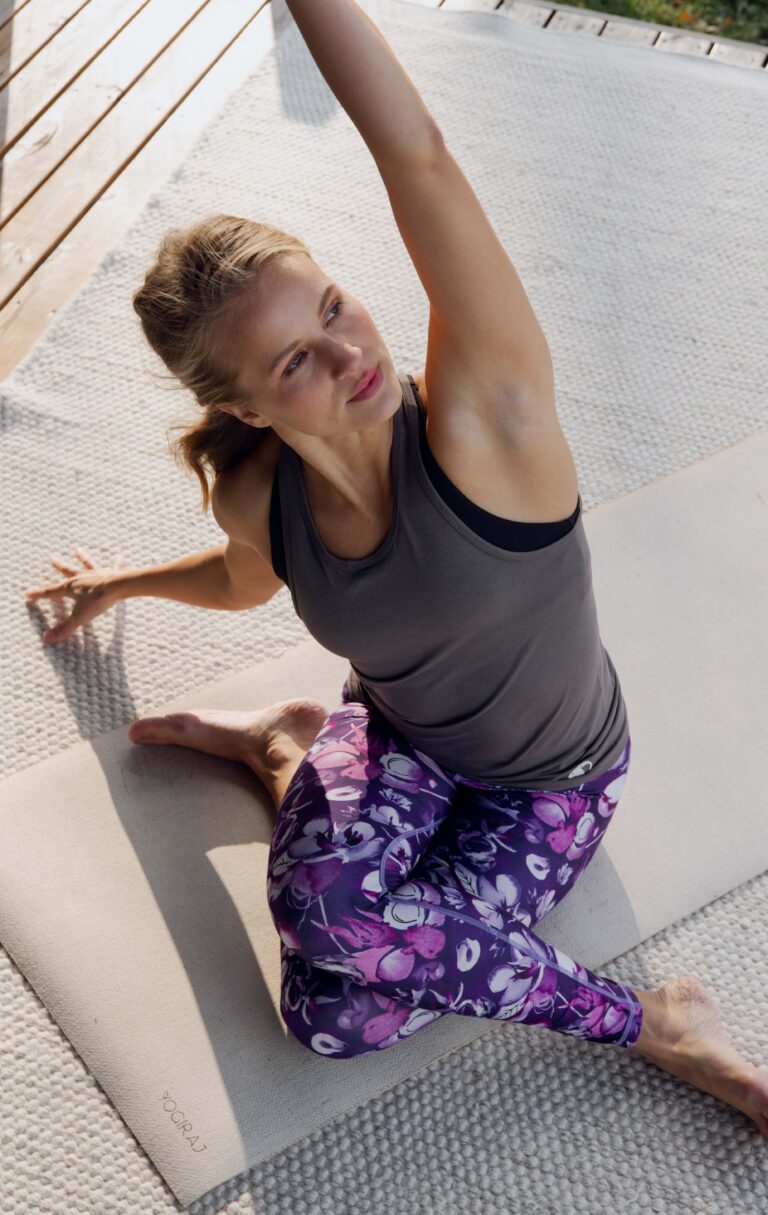
Whatever happens before or after your sauna session, comfortable, breathable clothing that moves with you matters. Our leggings and bra tops are made from soft, quick-drying recycled fabric that works just as well for a post-sauna stretch as it does for the workout that got you there.
Looking for other evidence-based recovery habits? Read our guide to foam rolling for recovery.


 English
  Finnish