

Your nervous system doesn’t know the difference between a genuine emergency and a stressful email — both can trigger the same fight-or-flight response. Breathing techniques like box breathing are one of the fastest ways to signal safety to your body, but they’re not the only tool. Here are five more ways to help your nervous system downshift, most of which work through your vagus nerve — the main communication line between your brain and your body’s rest-and-digest response.
Cold Water on Your Face
Splashing cool water on your face, or holding a cold pack against your cheeks for 30 seconds, triggers something called the mammalian dive reflex — an old, automatic response that slows your heart rate the moment your face senses cold water. It’s blunt but genuinely effective in a moment of acute stress or anxiety. Not everyone finds cold exposure pleasant, so treat this as one option among several rather than a requirement.
Humming, Singing, or Gargling
Your vagus nerve runs through your throat and inner ear, which is part of why long, drawn-out sounds — humming, singing, gargling water, even a slow exhale with an audible “ahh” — can shift how you feel. The vibration in your throat activates muscles connected to the same nerve pathway that breathing exercises target, just through a different door.
Orienting: Look Around the Room
When you’re anxious, your visual field tends to narrow. Slowly turning your head to notice five things around you — a color, a shape, a texture — gives your nervous system a concrete signal that your environment is safe right now, which is often enough to interrupt a spiral of anxious thoughts.
Gentle, Sustained Movement
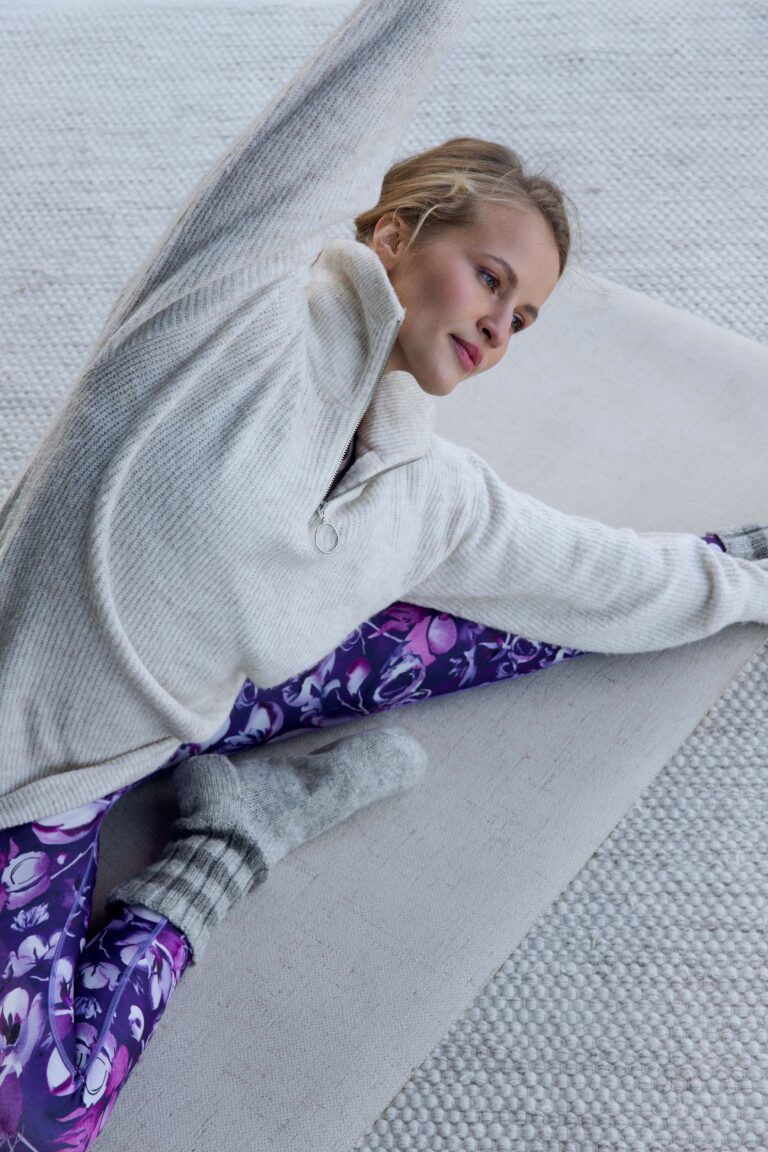
Restorative yoga, slow walking, or simply lying with your legs up a wall for a few minutes all send a similar message: there’s no need to be on high alert. Unlike vigorous exercise, which is its own valuable stress outlet, this kind of movement works specifically by lowering arousal rather than burning it off.
Consistent Sleep and Wind-Down Cues
A dysregulated nervous system is often, at least in part, a chronically under-slept one. Going to bed and waking up at roughly the same time, and giving yourself fifteen quiet minutes before sleep without screens, does more for baseline nervous system regulation than any single technique used in isolation.
None of This Replaces Support When You Need It
These are everyday tools for everyday stress, not a substitute for professional support if anxiety, panic, or chronic stress are significantly affecting your life. If that’s where you’re at, a conversation with a doctor or therapist is the next right step.
Where Njálla Fits
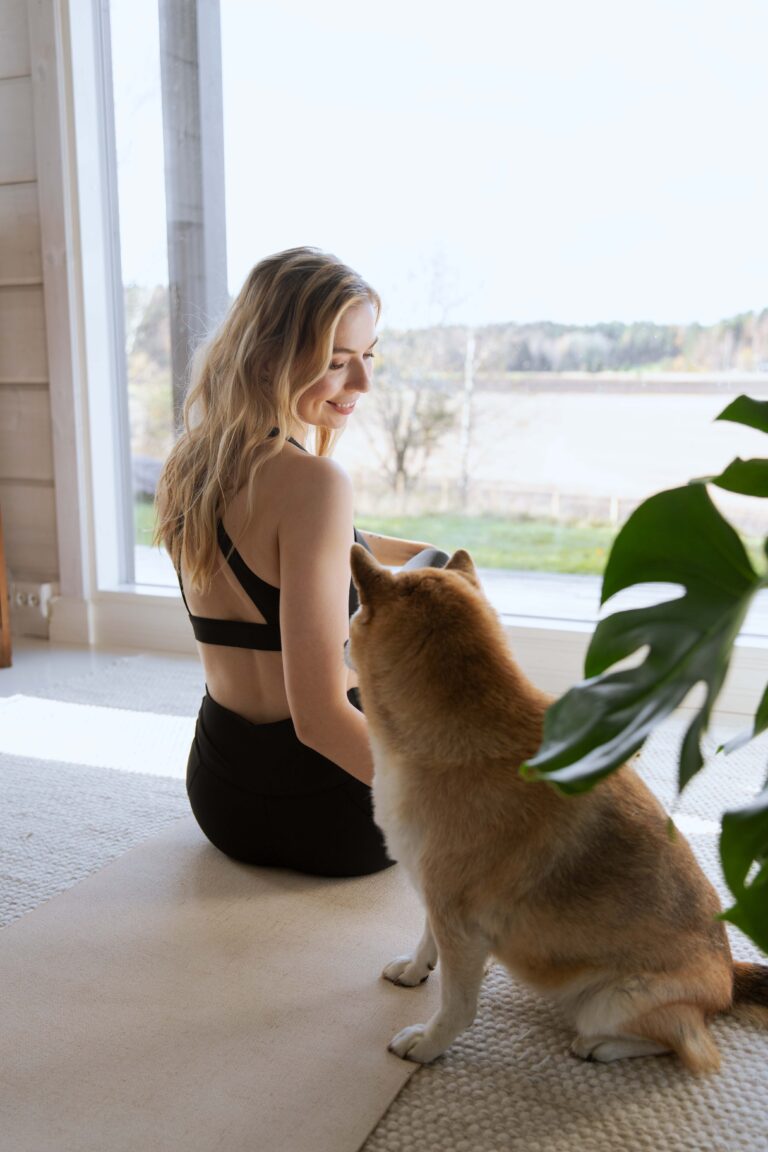
A body that feels physically comfortable has an easier time feeling calm. Our bra tops and leggings are made from soft, non-restrictive recycled fabric, so nothing is competing for your attention while you practice any of the above.
Ready to build more mobility into your routine, too? Take a look at our simple mobility guide.

 English
  Finnish