
Polyester is everywhere in activewear, and for good reason: it’s lightweight, quick-drying, and stretches well when blended with spandex. But there’s a big difference between virgin polyester and recycled polyester (often labeled rPET), and understanding it can change how you shop for leggings, tops, and sports bras.
What Is Virgin Polyester?
Virgin polyester is made from petroleum, a non-renewable fossil resource. Producing it is energy-intensive and releases significant greenhouse gas emissions. It also means every new polyester garment relies on extracting more oil from the ground — resources that took millions of years to form and can never be replaced.
What Is Recycled Polyester (rPET)?
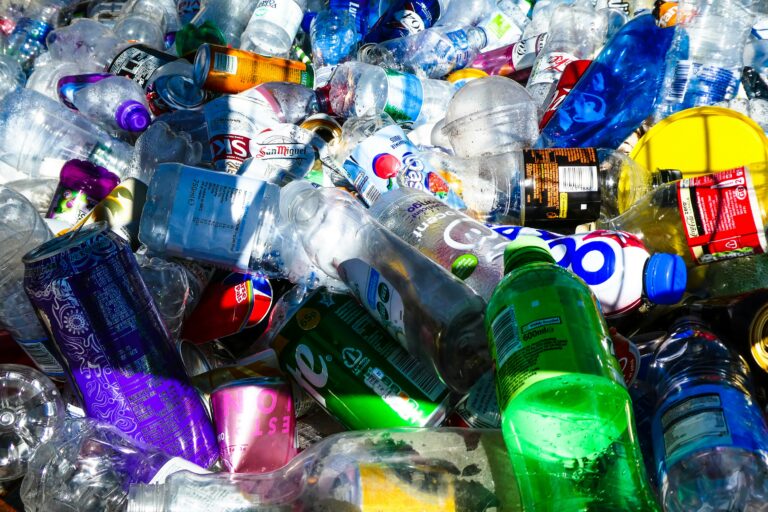
Recycled polyester is made by breaking down existing plastic — most commonly post-consumer PET bottles, but also pre-consumer textile scraps — and re-spinning it into new polyester fiber. The process:
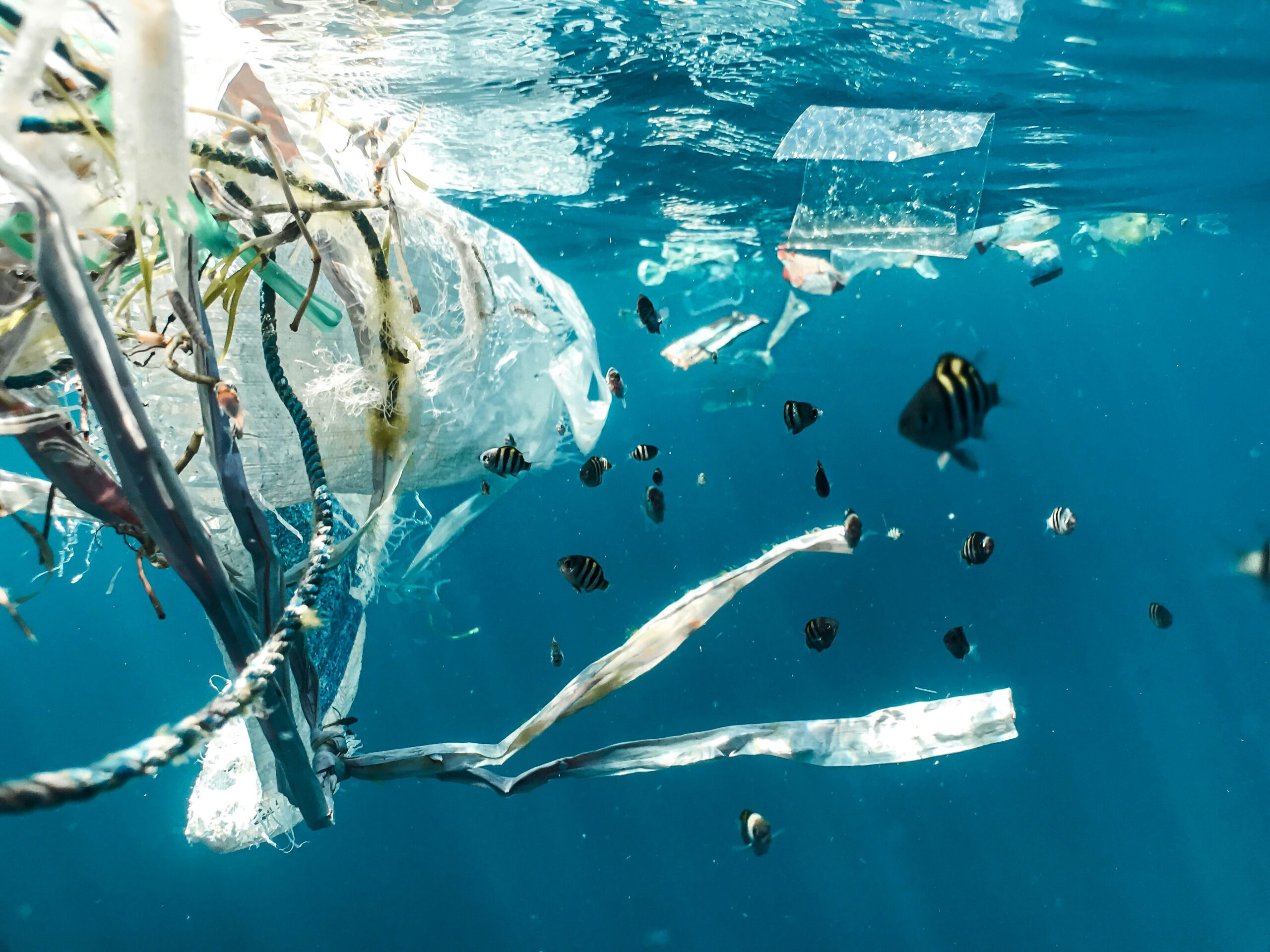
- Diverts plastic waste from landfills and oceans
- Uses significantly less water and energy than producing virgin polyester from scratch
- Reduces the overall demand for new petroleum extraction
It’s not a perfect solution — recycled polyester still sheds microplastics in the wash, and it can typically only be recycled a limited number of times before the fiber quality degrades — but compared to virgin polyester, it’s a meaningfully lower-impact choice.
Does Performance Suffer?
This is the question most people actually want answered: will recycled leggings feel and perform the same as regular ones? In most cases, yes. Once PET is broken down and re-spun into fiber, the resulting yarn behaves almost identically to virgin polyester — same stretch, same moisture-wicking, same durability when blended correctly with spandex. The main difference lies entirely in how the raw material was sourced, not in the finished fabric’s feel or performance on your body.
How to Reduce Microplastic Shedding
Since both virgin and recycled polyester shed tiny plastic fibers during washing, here are a few practical steps to reduce the impact regardless of which you own:
- Wash activewear in a mesh laundry bag or a dedicated microfiber-catching filter
- Wash on cold, with a full load, and skip the dryer where possible — both reduce fiber shedding
- Buy fewer, better-made pieces so you’re washing (and shedding) less over the life of your wardrobe
What to Check When You’re Shopping
If you want to choose recycled over virgin polyester, look for:
- A specific stated percentage (e.g. “73% recycled polyester”) rather than a vague “eco fabric” claim
- Certifications like GRS (Global Recycled Standard), which independently verify recycled content
- Brands that are transparent about where their recycled material comes from
How Njálla Uses Recycled Polyester
Most of our leggings, tops, and bra tops are made from around 73% recycled polyester blended with spandex for stretch and recovery. That means every pair of leggings you buy from us represents plastic that didn’t end up in a landfill or the ocean — turned instead into wearable, handmade art inspired by Nordic nature. We combine this with flat, squat-proof stitching designed to last, because choosing recycled materials only matters if the finished garment is actually built to be worn for years.
Next time you’re comparing activewear, take a second to check the fabric composition on the label. It’s a small habit that adds up to a meaningfully lower footprint over time. Browse our recycled-material collection and feel the difference for yourself.
Explore the Njálla Collection
Shop our sustainable yoga leggings and yoga tops - recycled fabric, handmade Nordic nature art, ethically made. Not sure where to start? Read our complete buying guide.
 English
  Finnish