

“Recycled” activewear fabric almost always means one of two materials: recycled polyester (rPET) or recycled nylon (often branded as ECONYL®). Both are genuine improvements over virgin synthetics, but they’re not identical, and the marketing around them doesn’t always explain the actual trade-offs.
How Each Material Is Made
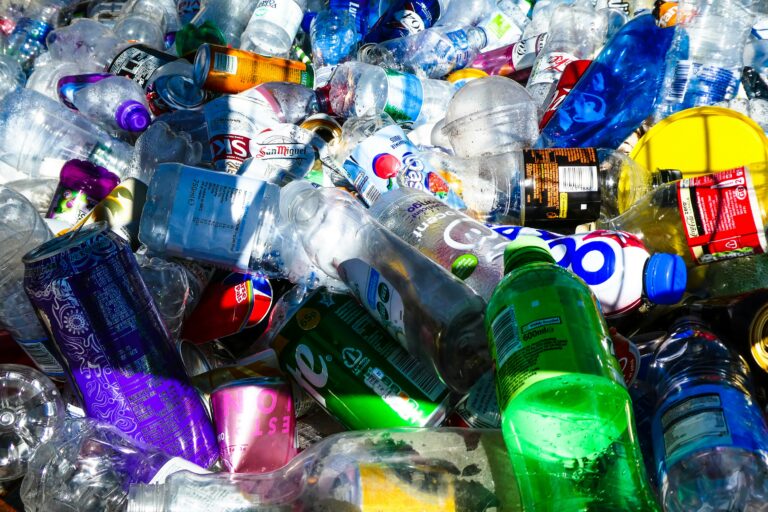
Recycled polyester is made primarily from post-consumer plastic bottles, broken down and re-spun into fibre — a single pair of leggings typically uses the equivalent of several discarded bottles. Recycled nylon is most often made from fishing nets and other nylon waste recovered from oceans and landfills, which directly addresses “ghost fishing” gear that would otherwise keep trapping marine life. Both processes use roughly 50–80% less energy than producing the equivalent virgin material.
Environmental Trade-offs
Neither material is a clear winner across every measure. Recycled polyester is currently produced almost entirely through mechanical recycling, which is energy-efficient but slightly weakens the fibre with each recycling cycle, meaning it can’t be recycled indefinitely. High-quality recycled nylon can be regenerated chemically, which allows for repeated, closed-loop recycling, but that process is more energy- and cost-intensive than mechanical recycling. In practical terms: rPET solves a plastic bottle waste problem efficiently and affordably, while recycled nylon solves a different waste problem (ocean nets) with a more resource-intensive process.
Performance in Activewear
Recycled polyester is hydrophobic, meaning it repels rather than absorbs moisture, which translates to strong sweat-wicking and quick drying — useful for anything from yoga to running. Nylon absorbs slightly more moisture (roughly 4–5% by weight), so it tends to dry a little more slowly, but it generally offers superior stretch recovery and abrasion resistance, which is why it shows up often in swimwear and heavy-use gear.
What Njálla Uses, and Why
Our leggings are made from 73% recycled polyester and 27% spandex, sourced from certified recycled materials. We chose rPET because it delivers the moisture-wicking and quick-drying performance yoga and everyday movement actually need, at a price point that keeps sustainable activewear accessible rather than a luxury purchase. It’s not a claim that recycled polyester is objectively “better” than recycled nylon in every sense — it’s the material that best matches what our leggings are designed to do.
Where Njálla Fits
You can see the full material breakdown on any product page in our leggings collection. Curious what else separates a genuinely sustainable pair of leggings from one that just uses the word loosely? Read our guide on what actually makes leggings sustainable.


 English
  Finnish