

“Slow fashion” usually gets talked about in the context of tailored coats or linen dresses — rarely activewear. But leggings, sports bras, and yoga tops are some of the most frequently replaced items in most wardrobes, which makes them a perfect (and often overlooked) place to start thinking slower and more ethically. Here’s a beginner-friendly breakdown.
What “Slow Fashion” Actually Means
Slow fashion is the opposite of fast fashion’s model of constant new drops, low prices, and short garment lifespans. In practice, it means:
- Smaller, more considered collections instead of weekly new arrivals
- Fabric and construction chosen for durability, not just low cost
- Production that respects the people making the clothes, not just the price point for the customer
Applied to activewear, this means leggings built to survive years of squats and washes, not a single gym season.
What “Ethical” Means in Practice
“Ethical” gets used loosely, but concretely it usually refers to fair wages for garment workers, safe working conditions, and reasonable working hours — the opposite of the low-cost, high-pressure production models that fast fashion often relies on. A brand that’s genuinely ethical is usually willing to talk openly about where and how its clothing is made, rather than staying vague about factories and supply chains.
Why Activewear Is Often Overlooked in This Conversation
Slow fashion messaging tends to focus on “investment pieces” like coats or blazers, while activewear gets treated as disposable — cheap leggings bought in bulk, replaced every season as they thin out or lose shape. But activewear is worn frequently, washed often, and subjected to real physical stress, which means fabric quality and construction matter just as much here as anywhere else in your wardrobe — arguably more.
How to Start Shopping More Slowly
You don’t need to overhaul your entire wardrobe overnight. A few practical starting points:
- Buy fewer, better pieces. One well-made pair of leggings that lasts three years is a better investment — financially and environmentally — than five cheap pairs that don’t survive one.
- Check fabric composition, not just price. Recycled or organic materials, stated clearly with percentages, are a good signal.
- Look for brands that share their production story. Transparency about where and how clothes are made is one of the clearest signs of an ethical operation.
- Prioritize comfort and fit above trends. A piece you actually feel good wearing gets worn again and again — the most sustainable habit is simply loving what’s already in your wardrobe.
Wellness and Slow Fashion Are More Connected Than You’d Think
There’s also a wellness angle here that often gets missed: clothing made with care — comfortable, well-fitting, made from materials that feel good against your skin — supports how you actually feel while moving your body. Slow fashion isn’t only about the planet; it’s also about choosing pieces that genuinely support your health and wellness routine, rather than ones you tolerate for one workout before shoving them in a drawer.
How Njálla Fits Into Slow, Ethical Fashion
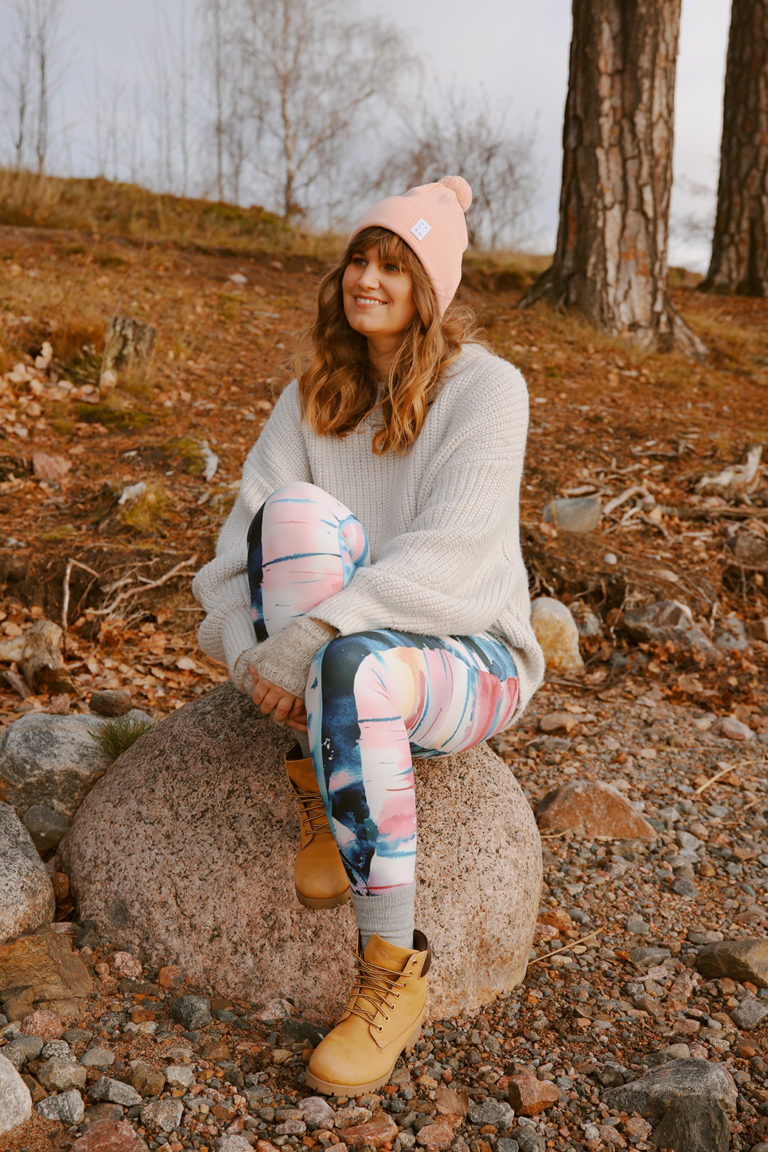
We design in small batches, use around 73% recycled polyester in our fabrics, and build every piece — leggings, tops, bra tops — with comfort, durability, and ethical production in mind. Each print is original, hand-designed art inspired by Nordic nature, made to be worn and loved for years, not one trend cycle. It’s slow fashion applied to a category that’s rarely given the chance to be anything but disposable.
If you’re ready to shop a little slower, explore our collection and start with one piece that’s actually built to last.
Löydä Njállan mallisto
Tutustu ekologisiin joogaleggingseihimme ja joogatoppeihimme - kierrätysmateriaalia, käsintehtyä taidetta pohjoisesta luonnosta, eettisesti valmistettu. Etkö ole varma mistä aloittaa? Lue kattava ostajan oppaamme.


 Finnish
  English